Cameron Herrin: The Full Legal Case, Street Racing Tragedy, Sentencing, and Global Social Media Debate

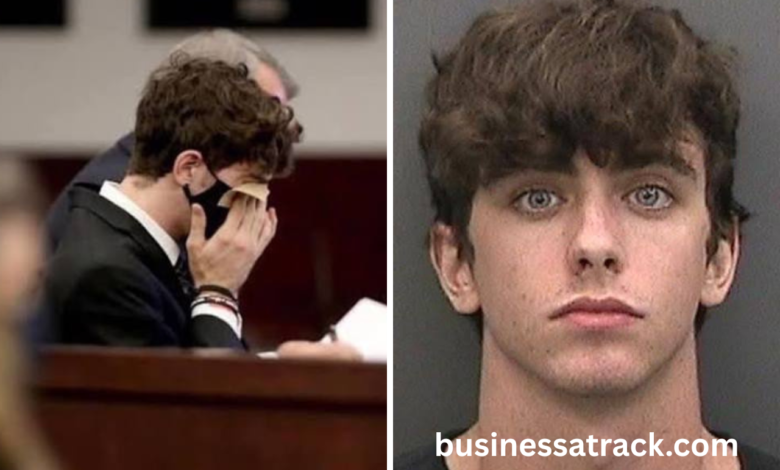
The Cameron Herrin case is one of the most widely discussed criminal cases in recent years due to its tragic circumstances and massive social media attention. It involves a fatal street racing crash in Tampa, Florida, that resulted in the deaths of a young mother and her infant daughter. The case gained global recognition not only because of the legal outcome but also because of how it was amplified on platforms like TikTok, Instagram, and YouTube.
At the center of the case is Cameron Coyle Herrin, who was 18 years old at the time of the incident in 2018. What began as a high-speed street race on a public road ended in irreversible tragedy. Herrin was later sentenced to 24 years in prison for vehicular homicide, a punishment that sparked intense debate worldwide about justice, accountability, and sentencing proportionality.
The case continues to attract attention years later, making it a significant example in discussions about reckless driving laws, criminal responsibility, and viral social media influence on legal cases.
Early Life and Background of Cameron Herrin
Cameron Herrin was born in 1999 and grew up in Tampa, Florida. Before the incident, he had no known criminal record and lived what many would describe as a normal suburban teenage life. He attended Tampa Catholic High School, where he was considered an average student with an interest in automobiles and driving culture.
Like many teenagers, Herrin developed a fascination with fast cars. Reports indicate that he received a Ford Mustang as a graduation gift, which later became the vehicle involved in the fatal crash. This detail became widely discussed during the trial, as it highlighted the accessibility of high-performance vehicles to inexperienced drivers.
Although Herrin’s early life did not show criminal tendencies, prosecutors later argued that his driving behavior prior to the crash demonstrated a pattern of reckless speeding and risky behavior on public roads, which contributed to the tragic outcome.
The 2018 Bayshore Boulevard Street Racing Crash
The central event of the Cameron Herrin case occurred on May 23, 2018, on Bayshore Boulevard in Tampa, Florida, a roadway known for its scenic waterfront and heavy pedestrian activity.
On that day, Herrin was allegedly racing another teenager, John Barrineau, in a separate vehicle. The two cars were reportedly traveling at extremely high speeds in a 40 mph zone, with evidence suggesting speeds exceeding 100 mph moments before the crash.
According to official investigations, Herrin’s Ford Mustang struck two pedestrians who were crossing the road: Jessica Reisinger-Raubenolt and her 21-month-old daughter, Lillia Reisinger-Raubenolt. Both victims were visiting family in Florida at the time of the incident.
The impact was devastating. Jessica died at the scene, while her daughter suffered critical injuries and died shortly after being transported to the hospital. The crash immediately became a high-profile case due to the age of the victims, the severity of the impact, and the circumstances of street racing.
Evidence and Investigation Findings
The investigation into the crash revealed multiple key pieces of evidence that shaped the prosecution’s case. One of the most significant findings came from the vehicle’s internal data system, which indicated that Herrin’s car was traveling at approximately 102 miles per hour just before the crash in a 40 mph zone.
Witness statements also supported claims of street racing behavior, with multiple individuals reporting two vehicles speeding and weaving through traffic moments before the collision. Surveillance footage from nearby areas further helped reconstruct the sequence of events.
Authorities also determined that Herrin attempted to brake immediately before impact, reducing speed significantly in the final seconds. However, the braking was not enough to avoid the collision due to the extreme speed and short reaction window.
These findings played a crucial role in establishing the prosecution’s argument that Herrin’s actions were not accidental but involved reckless and conscious disregard for public safety.
Legal Charges and Court Proceedings
Following the investigation, Cameron Herrin was charged with two counts of vehicular homicide, along with additional charges related to illegal street racing and reckless driving.
Vehicular homicide in Florida is defined as causing the death of another person while operating a vehicle in a reckless manner likely to cause death or serious bodily injury. The prosecution argued that Herrin’s excessive speeding and participation in street racing met this legal threshold.
Herrin ultimately chose to enter an open guilty plea, meaning he admitted responsibility and allowed the judge to determine the sentence without a jury trial verdict. This legal decision removed the possibility of a trial but placed full sentencing discretion in the court’s hands.
Sentencing: The 24-Year Prison Decision
In 2021, Judge Christopher Nash sentenced Cameron Herrin to 24 years in Florida state prison. The sentence became one of the most controversial aspects of the case.
The maximum possible sentence for the charges could have reached 30 years, but the court imposed a slightly lower term based on sentencing guidelines and case circumstances.
The judge cited several factors in the sentencing decision, including:
- The extremely high speed of the vehicle
- The presence of street racing activity
- The loss of two innocent lives
- The risk posed to public safety
- Prior evidence of reckless driving behavior
The court emphasized that the sentence was intended not only as punishment but also as a deterrent against street racing and dangerous driving behaviors.
Herrin’s co-defendant, John Barrineau, received a significantly lighter sentence after cooperating with authorities and entering a plea agreement, highlighting differences in legal responsibility and involvement.
Victims and Impact on Families
The victims of the crash, Jessica Reisinger-Raubenolt and her daughter Lillia, became central figures in the legal proceedings. Their deaths had a profound emotional impact on their family and community.
Jessica was a young mother visiting Florida, and her daughter was only 21 months old. Their family delivered emotional statements during court proceedings, describing the devastating loss and long-term trauma caused by the incident.
The victims’ families supported strong legal accountability, arguing that the severity of the sentence reflected the seriousness of the crime and the irreversible consequences of reckless driving.
Appeals, Legal Challenges, and Post-Conviction Efforts
Following sentencing, Herrin’s legal team pursued multiple efforts to reduce his prison term. These included appeals and post-conviction motions arguing issues such as legal representation effectiveness and sentencing proportionality.
However, courts have repeatedly denied requests to reduce the sentence, maintaining that the original ruling was consistent with Florida law and supported by evidence.
As of recent updates, Herrin remains incarcerated, with continued legal efforts focused on post-conviction relief rather than direct appeals.
Social Media Virality and Public Reaction
One of the most unusual aspects of the Cameron Herrin case is its massive popularity on social media platforms. Years after the sentencing, hashtags such as #JusticeForCameronHerrin and #FreeCameronHerrin went viral globally.
Millions of users shared edited videos, emotional posts, and commentary about the case. Much of the online attention focused on Herrin’s young age and appearance, leading to widespread debate about the nature of online sympathy.
Supporters argued that:
- The sentence was too harsh for a young offender
- He did not intentionally cause harm
- Rehabilitation should be prioritized
Critics argued that:
- The focus should remain on the victims
- Street racing caused preventable deaths
- Online movements distort legal reality
The case became a key example of how viral internet culture can influence public perception of criminal justice cases.
Legal and Social Implications of the Case
The Cameron Herrin case has become widely used in discussions about road safety laws and criminal sentencing standards. It highlights how courts evaluate reckless driving cases involving fatalities and how intent is assessed in vehicular homicide cases.
It also raised broader questions about:
- Youth accountability in adult courts
- The role of deterrence in sentencing
- Public perception versus legal judgment
- The influence of social media on justice narratives
The case is frequently referenced in legal education and traffic safety discussions as an example of the consequences of extreme speeding and street racing.
Current Status of Cameron Herrin
As of recent updates, Cameron Herrin is serving his sentence in a Florida correctional facility. His expected release date is projected around 2045, depending on eligibility for parole and institutional evaluations.
While legal efforts for sentence reduction continue intermittently, there has been no successful outcome to date. The case remains active in public discussion due to ongoing social media engagement and periodic court updates.
Conclusion: The Legacy of the Cameron Herrin Case
The Cameron Herrin case stands as a deeply tragic and highly debated criminal justice story. It reflects the devastating consequences of reckless driving, particularly when high-speed street racing occurs on public roads.
At the same time, it has become a symbol of broader debates around sentencing fairness, youth accountability, and the role of public opinion in legal cases. The emotional divide between supporters and critics demonstrates how modern cases can evolve beyond the courtroom into global cultural discussions.
Ultimately, the case serves as a powerful reminder that a single moment of reckless decision-making can lead to irreversible consequences—not only for victims and families but also for the individual responsible and society’s ongoing conversation about justice.
you may also read :First Marriage to NBA Player Sedale Threatt