Elsa Einstein: The Woman Behind Albert Einstein’s Later Years

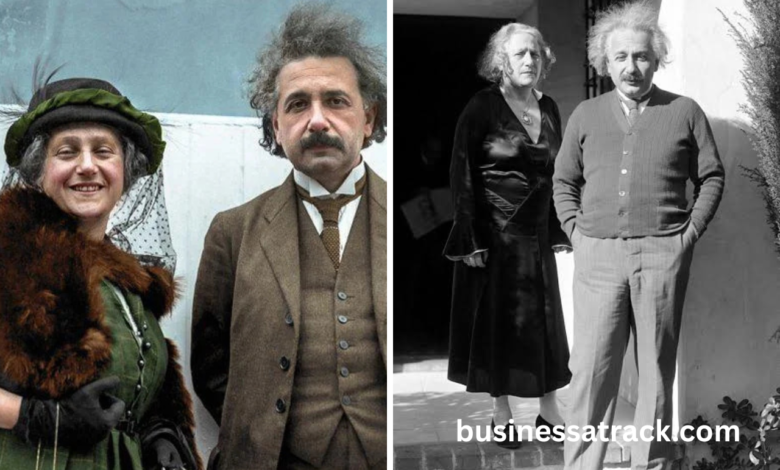
Elsa Einstein was a German-born woman best known as the second wife of the world-famous physicist Albert Einstein. Although she was not a scientist herself, Elsa played a significant role in Einstein’s personal life, providing emotional support, managing many practical aspects of his daily affairs, and helping him cope with the enormous public attention that came with his fame. Her life was closely connected with one of the most influential scientific figures in history, but she also had her own experiences as a mother, wife, and immigrant navigating major social and political changes in Europe and America.
Table of Contents
ToggleBorn into the same extended family as Albert Einstein, Elsa shared a unique connection with him long before their marriage. Their relationship developed during a period when Albert was experiencing personal difficulties and professional transformation. Later, as Einstein became a global celebrity after the success of his theory of relativity, Elsa became one of the most important people in his private world.
Early Life and Family Background of Elsa Einstein
Elsa Einstein was born on January 18, 1876, in Hechingen, a town in the Kingdom of Württemberg, which was part of the German Empire. She was the daughter of Rudolf Einstein, a textile businessman, and Fanny Koch. Elsa grew up in a Jewish family environment and was connected to the wider Einstein family network.
Her relationship with Albert Einstein began in childhood because the two families were related and frequently interacted. Elsa and Albert were cousins through their family lines. Their shared background meant that they were familiar with each other from a young age, although their romantic relationship developed much later in life.
Elsa grew up during a period of major transformation in Germany. The late nineteenth century was an era of industrial growth, social change, and increasing opportunities and restrictions for Jewish communities in Europe. Like many women of her generation, her early life was shaped by expectations surrounding marriage, family responsibilities, and social roles.
Elsa Einstein’s First Marriage and Children
Before becoming Albert Einstein’s wife, Elsa married businessman Max Löwenthal in 1896. The couple moved to Berlin, where they built a family life together. Their marriage produced three children: daughters Ilse and Margot, and a son who died shortly after birth.
The marriage between Elsa and Max Löwenthal eventually ended in divorce in 1908. After the separation, Elsa and her daughters continued their lives in Germany. She resumed using the Einstein family name, which connected her again with the broader Einstein family.
As a mother, Elsa focused much of her life on raising her daughters. Her relationship with her children remained important throughout her later years, especially after she became connected to Albert Einstein’s international public life.
The Relationship Between Elsa Einstein and Albert Einstein
Elsa and Albert Einstein became romantically involved around 1912, when Albert was already a respected physicist but was experiencing difficulties in his first marriage to Mileva Marić. Albert and Mileva had married in 1903 and had two sons, but their relationship gradually deteriorated. Their divorce was finalized in 1919.
On June 2, 1919, Albert Einstein married Elsa Einstein. Their marriage attracted public attention because Albert was already becoming recognized as one of the greatest scientific minds of the twentieth century. By this time, his work on the theory of relativity had transformed modern physics and made him internationally famous.
Elsa’s role in Einstein’s life was different from that of a scientific collaborator. She was not involved in his mathematical research or scientific theories, but she provided stability and support that allowed him to focus on his work. She helped organize his personal affairs, handled many social responsibilities, and acted as a protective barrier between Einstein and the constant attention of the public.
Elsa Einstein’s Role as Albert Einstein’s Supporter
As Albert Einstein’s fame increased, his life became increasingly demanding. He received countless letters, invitations, requests for interviews, and visits from people around the world. Elsa helped manage these pressures by organizing his schedule and limiting unnecessary interruptions.
During periods when Einstein struggled with health problems, Elsa took on the role of caregiver. In 1917, before their marriage, Einstein suffered from serious health issues, including stomach and liver problems. Elsa supported him during his recovery and helped him maintain a healthier lifestyle.
Although historians debate aspects of their personal relationship, many agree that Elsa provided important emotional and practical support during some of the most challenging years of Einstein’s life. She helped create a stable home environment while he continued his groundbreaking scientific work.
Life as the Wife of a World-Famous Scientist
After Albert Einstein became internationally famous, Elsa experienced a life very different from ordinary domestic life. The couple traveled widely, attended major social events, and met influential figures from politics, science, and culture.
Einstein’s fame brought both opportunities and difficulties. He became a symbol of scientific genius, peace activism, and intellectual independence. At the same time, his public image attracted intense media attention. Elsa often helped manage this attention and protected his private life.
The couple lived in Germany during a period of political instability. As antisemitism increased and the Nazi movement gained power in the early 1930s, Einstein’s position became dangerous because he was Jewish and openly opposed authoritarianism. Their decision to leave Germany marked a major turning point in their lives.
Elsa Einstein and the Move to the United States
In 1933, Albert and Elsa Einstein left Germany and settled in the United States. They eventually made their home in Princeton, New Jersey, where Albert joined the Institute for Advanced Study.
The move was caused by the rise of Nazi Germany and the increasing persecution of Jewish people and political opponents. Einstein’s scientific achievements and international reputation made him a target of Nazi propaganda, and returning to Germany became impossible.
In Princeton, Elsa adjusted to a new country while continuing to support her husband. The couple lived a quieter life compared with their years in Europe, although Einstein remained one of the most famous intellectual figures in the world.
Elsa Einstein’s Health Problems and Final Years
During her later years, Elsa Einstein suffered from serious health problems. Her health declined after the family settled in America, and she developed heart and kidney-related illnesses.
Despite her own struggles, Elsa continued to support Albert Einstein and remained an important part of his personal life. She died on December 20, 1936, in Princeton, New Jersey, at the age of 60.
Her death deeply affected Einstein. Although he continued his scientific work afterward, the loss of Elsa marked the end of an important personal chapter in his life.
Elsa Einstein’s Legacy and Historical Importance
Elsa Einstein is often remembered primarily because of her marriage to Albert Einstein, but her story reflects a broader historical experience. She lived through major events including the transformation of Germany, the rise of Nazism, Jewish persecution in Europe, and the migration of intellectuals to America.
While she did not contribute directly to Einstein’s scientific discoveries, her influence on his personal stability and public life was significant. Many famous historical figures relied on family members and partners who provided support behind the scenes, and Elsa was one such person.
Her life also raises interesting questions about the roles of women connected to famous men. Although history often focuses on Albert Einstein’s theories, awards, and discoveries, Elsa’s contribution existed in a different sphere: emotional support, household management, protection from public pressure, and companionship during some of his most important years.
Elsa Einstein Compared With Albert Einstein’s First Wife Mileva Marić
Elsa Einstein and Mileva Marić played very different roles in Albert Einstein’s life. Mileva was Albert’s first wife and had studied physics and mathematics at the Swiss Federal Polytechnic in Zurich. Their relationship has been the subject of extensive historical discussion, particularly regarding her intellectual influence and involvement in Einstein’s early scientific years.
Elsa, in contrast, became Einstein’s partner after his scientific reputation had already been established. Her contribution was primarily personal and social rather than scientific. She helped Einstein manage fame, public responsibilities, and the challenges of life as a globally recognized figure.
Both women remain important parts of Einstein’s biography, representing different periods of his personal journey.
Conclusion: Remembering Elsa Einstein
Elsa Einstein’s life was shaped by family connections, marriage, motherhood, historical upheaval, and her relationship with one of the greatest scientists of all time. Although she did not make scientific discoveries herself, she played an important supporting role during Albert Einstein’s most famous years.
Her story provides a reminder that behind many historical figures are people whose contributions are less visible but still meaningful. Elsa Einstein helped create the personal environment that allowed Albert Einstein to continue his work while facing fame, illness, political danger, and the challenges of life in a changing world. Her legacy remains connected not only to Einstein’s history but also to the wider story of resilience, migration, and human support during the twentieth century.