Lane Bradbury: The Life, Career, Family, and Lasting Legacy of a Versatile American Actress

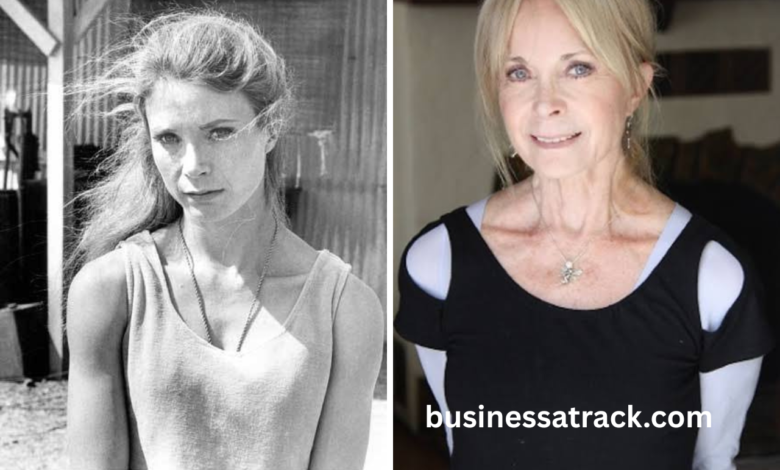
Lane Bradbury is an American actress, writer, producer, dancer, and theatre educator whose career has covered Broadway, television, film, and community arts. She became widely known for appearing in classic television dramas and westerns, especially Gunsmoke, while also earning respect for her early work on the Broadway stage. Her professional journey is unusual because she started as a ballet dancer before moving into serious acting at a very young age.
Over the decades, Lane Bradbury built a reputation as a dependable character actress who could bring warmth, vulnerability, humour, and emotional depth to a role. She worked in major theatre productions, appeared in popular television programmes, acted in recognised films, and later became involved in writing, producing, and arts education. Her long career reflects not only talent but also determination, adaptability, and a lifelong commitment to creative expression.
Who Is Lane Bradbury?
Lane Bradbury is best known as a stage and screen actress whose career began in the late 1950s. Her full name is Janette Lane Bradbury, although she has used Lane Bradbury professionally throughout her career. She was born on 17 June 1938 in Buckhead, Georgia, in the United States.
Bradbury became involved in the performing arts as a child. Her earliest training was in ballet, an art form that gave her discipline, physical control, stage confidence, and an understanding of performance. These skills later helped her move successfully into acting.
Her career eventually included Broadway theatre, television westerns, drama series, feature films, independent productions, writing, producing, and charity work. Rather than being associated with only one famous project, she became known for the range and longevity of her work.
Lane Bradbury’s Early Life in Georgia
Lane Bradbury grew up in Georgia and developed a strong interest in dance from an early age. She reportedly began taking ballet lessons when she was about five years old. Her dedication quickly became clear, and by the age of twelve she was performing with the Atlanta Ballet.
This early exposure to professional performance helped shape her future. Ballet required her to learn timing, expression, movement, concentration, and emotional communication without relying on dialogue. These abilities later became valuable when she began acting.
As a teenager, Bradbury moved to New York City with the intention of continuing her dance career. New York was one of the most important centres of American theatre and performance, making it a natural destination for an ambitious young artist.
Her path changed when she became involved with acting. She auditioned for the Actors Studio, one of the most respected acting organisations in the United States, and was accepted at a remarkably young age. Becoming one of its youngest members placed her in a serious creative environment and opened the door to professional theatre.
Training at the Actors Studio
The Actors Studio played an important role in the development of Lane Bradbury’s acting style. The organisation became famous for encouraging performers to explore motivation, emotional truth, personal experience, and psychological depth.
For a young performer who had begun in ballet, this kind of training offered a new way to communicate with audiences. Instead of relying mainly on movement, Bradbury learned to use dialogue, silence, facial expression, and emotional memory.
Her training helped prepare her for demanding stage roles and later for television work, where actors often had to establish a believable character within a short amount of screen time. This ability became one of Bradbury’s strengths throughout her career.
The Actors Studio also connected her with a generation of serious American performers. Her membership suggested that she was viewed not simply as a dancer moving into acting, but as a promising dramatic talent.
Broadway Breakthrough
Lane Bradbury’s Broadway career began during an important period in American theatre. She appeared in several major productions and worked alongside well-known performers.
One of her early Broadway credits was J.B., a drama that opened in 1958. The production was inspired by the biblical story of Job and featured prominent actors including Raymond Massey and Christopher Plummer. Appearing in such a respected production gave Bradbury valuable professional experience.
Her best-known Broadway achievement came in 1959 when she originated the role of Dainty June in the original production of Gypsy. The musical, based loosely on the memoirs of burlesque performer Gypsy Rose Lee, became one of the most celebrated works in American musical theatre.
As Dainty June, Bradbury portrayed the talented and highly promoted daughter of the ambitious stage mother Rose. The role required singing, dancing, acting, comic timing, and emotional awareness. Bradbury’s background in ballet and theatre training made her well suited to the demands of the part.
Being part of the original Broadway cast of Gypsy remains one of the strongest parts of her professional legacy. The musical has been revived many times, but the original production holds a special place in theatre history.
Work in The Night of the Iguana
Bradbury later appeared in the Broadway production of Tennessee Williams’s The Night of the Iguana. The play is recognised for its emotional tension, complex characters, and exploration of loneliness, faith, desire, and personal failure.
The production included major performers, including Bette Davis. Working in a Tennessee Williams play placed Bradbury within another highly respected theatrical setting.
Her appearance in the production demonstrated that she was not limited to musical theatre. She could also handle serious drama and work within stories that required emotional maturity.
This stage experience later helped her in television, where she often played troubled, sensitive, or complicated women.
Marathon ’33 and Further Theatre Work
Lane Bradbury also appeared in Marathon ’33, a production inspired by the dance-marathon culture of the Great Depression. The work explored endurance, exploitation, desperation, and entertainment during a difficult period of American history.
Her participation in the production reflected her combined background in dance and drama. A story centred on physical endurance and performance would have required both movement skills and emotional expression.
By this stage, Bradbury had already shown that she could move between musicals, dramatic plays, and physically demanding performances. Her Broadway career created a strong foundation for her later work in television and film.
Move from Broadway to Television
During the 1960s, Lane Bradbury increasingly moved towards television. At the time, American television was expanding rapidly, creating opportunities for actors trained in theatre.
Television required a different rhythm from Broadway. Stage actors performed live and projected to a large audience, while television actors had to adjust their expressions and movements for the camera. Bradbury successfully adapted to this new form.
She appeared in a wide variety of programmes, including westerns, crime dramas, family series, medical shows, and action programmes. Her ability to play different types of characters made her a useful and memorable guest performer.
The transition from Broadway to television also allowed Bradbury to reach a much larger national audience. Many viewers who never saw her stage work became familiar with her through popular television series.
Lane Bradbury in Gunsmoke
Lane Bradbury is particularly remembered for her appearances in Gunsmoke, one of the longest-running and most influential western television series in American history.
She played Merry Florene, a recurring character who appeared in episodes during the late 1960s. The character stood out because she was not presented as a simple background figure. Bradbury gave the role personality, emotion, humour, and vulnerability.
She also appeared in the series in other roles, demonstrating the common television practice of bringing talented guest actors back to play different characters. Her performances contributed to the emotional variety of the show.
Gunsmoke often explored more than gunfights and frontier justice. Many episodes dealt with poverty, family relationships, prejudice, survival, loneliness, and moral choices. Bradbury’s acting style suited this kind of storytelling because she could make supporting characters feel human and memorable.
Her association with Gunsmoke remains one of the main reasons classic television audiences continue to recognise her name.
Other Classic Television Roles
Lane Bradbury appeared in numerous well-known television programmes during the 1960s and 1970s. Her credits included shows such as The Fugitive, The Mod Squad, Mannix, Medical Center, Death Valley Days, Then Came Bronson, Kung Fu, The Rockford Files, and The Waltons.
Each of these programmes required a slightly different performance style. Westerns often demanded physical realism and period characterisation, while crime dramas required tension and emotional control. Family programmes called for warmth, sensitivity, and believable relationships.
Bradbury’s ability to move between these formats showed her range. She was not limited to one genre or character type.
In many cases, guest actors had only one episode to make an impact. Bradbury became skilled at creating a complete character within a limited amount of screen time. This helped her remain active across many television productions.
Appearance in The Fugitive
The Fugitive was one of the most respected dramatic television series of the 1960s. It followed Dr Richard Kimble, a man wrongly convicted of murdering his wife, as he travelled across the country while searching for the real killer.
Guest performers were essential to the series because each episode introduced new locations and characters. Bradbury’s appearance placed her within a programme known for serious storytelling, suspense, and moral complexity.
Her theatre background made her a natural fit for this kind of drama. She could communicate emotional conflict and make a supporting role feel connected to the larger themes of the story.
Roles in The Waltons and Family Television
Bradbury also appeared in The Waltons, a family drama set during the Great Depression and the Second World War. The programme focused on family loyalty, hardship, faith, community, and personal growth.
Her involvement in a series like The Waltons showed another side of her acting ability. Rather than appearing only in westerns or crime dramas, she could also contribute to gentle, emotional, family-centred storytelling.
The show was known for giving guest characters meaningful stories. Performers had to create believable relationships with the established cast while fitting into the programme’s warm but realistic tone.
Film Career
Although television formed a large part of Lane Bradbury’s career, she also appeared in several films.
One of her notable film credits was Alice Doesn’t Live Here Anymore, released in 1974 and directed by Martin Scorsese. The film followed a recently widowed woman attempting to build a new life while caring for her son.
The film became known for its realistic treatment of independence, motherhood, work, and relationships. Bradbury’s appearance connected her with a production that later gained a strong reputation in American cinema.
She also appeared in The Ultimate Warrior, a 1975 post-apocalyptic film. The project differed greatly from her work in family drama and western television, showing her willingness to enter different genres.
In later years, Bradbury continued to appear in independent films and smaller productions. These projects included Finding Red Cloud, Major Arcana, and You’re Not Alone.
Alice Doesn’t Live Here Anymore
Alice Doesn’t Live Here Anymore is one of the most recognised films connected with Bradbury’s career. The drama starred Ellen Burstyn and explored the challenges faced by a woman seeking financial and emotional independence.
The film combined humour, sadness, romance, and social realism. It was different from many traditional Hollywood stories because it placed an ordinary woman’s ambitions and difficulties at the centre.
Bradbury’s participation in the film added another respected credit to her career. It also demonstrated her ability to work under a director known for strong character-driven films.
The film later inspired the television sitcom Alice, further increasing its cultural importance.
The Ultimate Warrior
Lane Bradbury also appeared in The Ultimate Warrior, a science-fiction and action film set in a violent future where civilisation has collapsed.
This project showed how widely her screen roles could vary. She moved from western towns and family dramas to a darker futuristic setting.
Actors in genre films often have to make unusual situations feel believable. Bradbury’s experience in serious theatre and television likely helped her approach such material with emotional credibility.
Later Film and Television Work
Bradbury’s career did not end with the classic television period. She remained connected to acting and storytelling in later decades.
She appeared in independent productions such as Finding Red Cloud and Major Arcana. Independent films often offer experienced actors the chance to play intimate, character-focused roles that may not be available in large studio productions.
She was also associated with the film You’re Not Alone, demonstrating that her career continued well beyond her earliest Broadway and television work.
Her later appearances gave new audiences the opportunity to discover her while allowing long-time fans to see her continue performing.
Writing and Producing
Lane Bradbury expanded her creative work beyond acting. She became involved in writing and producing, including projects such as From the Midst of Pain.
This part of her career revealed an interest in controlling the storytelling process rather than only performing material created by others. Writing allowed her to explore personal themes, while producing gave her a role in organising and developing projects.
Her work behind the camera added another dimension to her career. It showed that she viewed storytelling as a broad creative practice rather than only an acting profession.
Projects connected with pain, endurance, and personal growth also reflected the emotional seriousness that could be seen in many of her performances.
Marriage to Lou Antonio
Lane Bradbury married actor and director Lou Antonio on 23 December 1965. Antonio had his own successful career in television, film, and theatre.
Their marriage connected two people working in the entertainment industry during a period of major change in American television. Both understood the demands of acting, production schedules, travel, and professional uncertainty.
The couple remained married for approximately fifteen years before divorcing in 1980.
Although their marriage ended, both continued to have individual careers in entertainment.
Lane Bradbury’s Children
Lane Bradbury and Lou Antonio had two daughters, Elkin Antoniou and Angelique Antoniou.
Elkin Antoniou became involved in filmmaking, writing, and documentary work. Her career suggests that the family’s connection to creative storytelling continued into the next generation.
Bradbury has generally maintained a level of privacy around her family life. Public attention has focused more strongly on her acting work, Broadway history, and artistic projects.
Her role as a mother formed an important part of her life while she continued working in a demanding industry.
Founder of Valkyrie Theater
One of the most meaningful parts of Lane Bradbury’s later work was her involvement in arts education. She founded the Valkyrie Theater of Dance, Drama and Film, a nonprofit organisation created to introduce young people to creative performance.
The organisation focused particularly on at-risk teenagers. Through dance, drama, and filmmaking, young participants could build confidence, discipline, communication skills, and a sense of achievement.
This work connected Bradbury’s own early experiences in ballet and acting with her desire to support younger generations.
Her decision to create a theatre organisation also demonstrated that she believed the arts could have a social purpose. Performance could help young people express difficult emotions, develop teamwork, and imagine new possibilities for their futures.
Lane Bradbury’s Acting Style
Lane Bradbury often played characters who appeared vulnerable, energetic, emotional, troubled, or independent. Her performances could be lively, but they also contained emotional seriousness.
Her ballet background contributed to her physical awareness. Even in roles without dancing, she understood posture, timing, gesture, and movement.
Her Actors Studio training gave her a strong foundation in emotional realism. She could communicate inner conflict without making a performance feel exaggerated.
These combined skills helped her stand out in guest roles. She could enter an established television series, quickly create a believable character, and leave a lasting impression.
Why Lane Bradbury Was Suited to Westerns
Western television programmes often required actors to portray hardship, isolation, courage, poverty, survival, and moral conflict. Bradbury’s ability to play emotionally open characters made her especially suited to the genre.
Her characters frequently appeared to be shaped by difficult circumstances. She could portray strength without making a character seem emotionally distant.
In Gunsmoke and other western-related work, she helped show that frontier stories were not only about lawmen and criminals. They were also about families, outsiders, women, workers, and people struggling to build lives under harsh conditions.
Her performances added emotional realism to the western format.
Career Longevity
Lane Bradbury’s career has lasted across several generations of American entertainment. She began in an era dominated by Broadway theatre and early television, continued through the height of classic television drama, and later worked in independent film and creative production.
Such longevity is difficult to achieve. Entertainment trends change, popular genres disappear, and new generations of performers enter the industry.
Bradbury remained relevant by adapting. She moved from ballet to theatre, from theatre to television, from television to film, and from acting to writing, producing, and teaching.
Her career demonstrates that success in entertainment does not always depend on remaining constantly famous. It can also be measured through consistent work, respected performances, artistic growth, and positive influence on others.
Lane Bradbury’s Contribution to Broadway History
Bradbury’s connection to the original Broadway production of Gypsy gives her a permanent place in musical theatre history.
The role of Dainty June has been performed by many actresses in later revivals, but originating the character meant helping to define how audiences first understood the role.
The original production was part of a major period in Broadway history. Its songs, characters, and themes continued to influence theatre long after its first performance.
Bradbury’s participation also showed the importance of her dance training. The role required the skills of a complete stage performer rather than an actor working only through dialogue.
Her Importance to Classic Television Fans
For fans of classic television, Lane Bradbury remains familiar because of her appearances across so many major programmes.
Viewers may recognise her face even if they do not immediately remember her name. This is common with strong character actors whose careers include dozens of guest roles.
Such performers were essential to classic television. They gave each episode fresh energy and made the fictional world feel larger.
Bradbury’s work is especially remembered by fans of Gunsmoke, but her broader television career demonstrates how frequently she contributed to the success of other popular series.
Personal Strength and Reinvention
Lane Bradbury’s professional journey can also be viewed as a story of reinvention. She began as a child dancer, became a Broadway performer, developed into a television actress, appeared in films, and later worked as a writer, producer, and teacher.
Each stage required new skills. Moving from ballet to acting meant learning dialogue and character psychology. Moving from Broadway to television required adjusting performance for the camera. Writing and producing required creative leadership.
Her ability to change direction without abandoning her artistic identity is one of the most impressive parts of her career.
She remained connected to performance while finding new ways to use her experience.
Lane Bradbury’s Legacy
Lane Bradbury’s legacy is built on versatility, endurance, and commitment to the arts.
She is remembered as the original Dainty June in Gypsy, a recurring performer in Gunsmoke, a guest actress in many respected television series, and a supporting performer in notable films.
However, her legacy also includes her work with young people. Through theatre education, she used her professional experience to help others discover confidence and creativity.
Her career represents the valuable contribution of character actors who may not always receive leading-star attention but whose work strengthens every production they join.
Quick Bio of Lane Bradbury
| Field | Details |
|---|---|
| Full Name | Janette Lane Bradbury |
| Professional Name | Lane Bradbury |
| Date of Birth | 17 June 1938 |
| Birthplace | Buckhead, Georgia, United States |
| Nationality | American |
| Profession | Actress, writer, producer, dancer and theatre educator |
| Famous Broadway Role | Dainty June in Gypsy |
| Best-Known Television Role | Merry Florene in Gunsmoke |
| Former Spouse | Lou Antonio |
| Children | Elkin Antoniou and Angelique Antoniou |
| Known For | Broadway, classic television westerns, film and arts education |
Conclusion
Lane Bradbury has built a remarkable career that stretches from childhood ballet training to Broadway, classic television, film, writing, producing, and nonprofit theatre work. Her early role as Dainty June in the original production of Gypsy established her as a talented stage performer, while her appearances in Gunsmoke and other television classics introduced her to a much wider audience.
Her work demonstrates the importance of versatility in the entertainment industry. She successfully adapted to different genres, formats, and generations while maintaining a strong connection to performance.
Beyond acting, her dedication to arts education strengthened her legacy. By helping young people explore dance, drama, and film, she turned her personal experience into an opportunity for others.
Lane Bradbury remains an important figure in American theatre and television history. Her career is a story of talent, discipline, reinvention, and lasting creative influence.
You may also read : Catherine Maggie McDonough’s Mother