Sonji Roi: The Untold Story of Muhammad Ali’s First Wife, Her Life, Career, Marriage, and Legacy

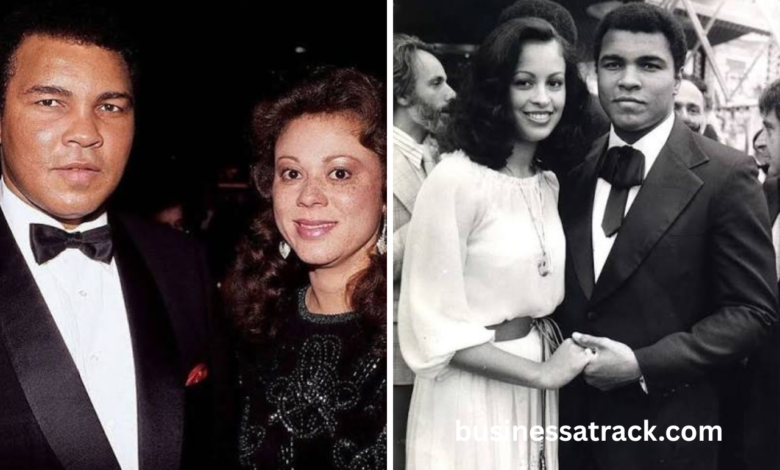
Sonji Roi was an American singer, model, and entertainer best known to the world as the first wife of legendary boxer Muhammad Ali. Although her marriage to Ali lasted less than two years, her life became connected to one of the most important periods in sports and cultural history. She entered the spotlight in 1964, the same year Cassius Clay defeated Sonny Liston to become the world heavyweight champion and began transforming into the global icon known as Muhammad Ali.
While many people remember Sonji Roi only because of her relationship with Ali, her own story included ambitions in entertainment, music, and modeling. She lived during a time of major social change in America, when questions about race, religion, identity, women’s independence, and public expectations were becoming central issues. Her short marriage to Ali placed her at the center of those changes.
Early Life and Background of Sonji Roi
Details about Sonji Roi’s early childhood and family background remain limited compared with the extensive records available about Muhammad Ali. Many public biographies focus mainly on her years connected to Ali, leaving much of her personal history before fame undocumented. Some sources identify her as being born on November 23, 1945, although some records provide conflicting information about her birth details.
Before becoming associated with one of the most famous athletes in history, Sonji Roi worked in entertainment-related fields. She was described as a model and cocktail waitress, and she had ambitions as a performer. Her background in nightlife and entertainment introduced her to the social circles where she eventually met Cassius Clay, who was already becoming one of boxing’s biggest personalities.
Her life reflected the experiences of many entertainers of that era: she was attempting to build her own identity while navigating a society where women connected to famous men were often defined by their relationships rather than their own achievements.
Sonji Roi and Muhammad Ali: A Meeting That Changed History
Sonji Roi met Cassius Clay in 1964, shortly after he had won the heavyweight championship by defeating Sonny Liston. At that time, Clay was only beginning the transformation that would make him Muhammad Ali, a name and identity that would become internationally recognized.
Their meeting was reportedly arranged through Herbert Muhammad, who would later become Ali’s longtime manager. According to several accounts, Ali was immediately attracted to Sonji and proposed very quickly after meeting her. Their relationship moved rapidly, and they married on August 14, 1964, in Gary, Indiana.
The marriage happened during a dramatic turning point in Ali’s life. He was not only becoming a dominant figure in boxing but was also undergoing a major personal and spiritual transformation. Shortly after winning the heavyweight title, he publicly embraced Islam and became increasingly connected with the Nation of Islam movement.
Marriage to Muhammad Ali During His Rise to Fame
Sonji Roi’s marriage to Muhammad Ali placed her in the middle of a rapidly changing world. Ali was becoming famous not just as a boxer but as a cultural figure whose statements about religion, race, politics, and personal freedom attracted worldwide attention.
The couple’s relationship was complicated by differences in lifestyle, expectations, and religious beliefs. Accounts of their divorce often focus on disagreements over Sonji’s refusal to adopt certain expectations associated with Ali’s new religious environment, including dress and social customs.
Ali later described conflicts involving his expectations of his wife’s public appearance and behavior, while other accounts emphasize Sonji’s desire to maintain her independence and personal identity. The breakdown of their marriage became part of the larger story of Ali’s transformation from Cassius Clay into Muhammad Ali.
The Divorce of Sonji Roi and Muhammad Ali
The marriage lasted approximately 17 months before ending in divorce. The divorce was finalized on January 10, 1966. The couple had no children together.
Their separation occurred during one of the most important periods of Ali’s career. After the divorce, Ali continued his rise as a boxing champion and activist, while Sonji Roi moved away from the intense public attention surrounding their relationship.
The end of their marriage has remained a topic of discussion because it represented a clash between personal freedom and the demands of public identity. Sonji was unwilling to completely reshape herself around the expectations placed upon her, and this independence became one of the defining themes of her story.
Sonji Roi’s Music and Entertainment Career
Although she became famous because of Muhammad Ali, Sonji Roi also pursued her own entertainment career. She recorded music and was associated with songs including “Here I Am and Here I Stay” and “I Can’t Wait (Until I See My Baby’s Face).”
Her artistic ambitions showed that she was more than simply a celebrity spouse. During the 1960s, many performers struggled to gain recognition, especially women working in entertainment industries dominated by larger personalities and major record companies. Sonji attempted to create a place for herself beyond her marriage.
She also made later appearances connected to television and entertainment, although her career never reached the same level of fame as her former husband’s boxing legacy.
Life After Muhammad Ali
After her divorce from Ali, Sonji Roi largely stepped away from the spotlight. Unlike many people connected to major celebrities, she did not continue seeking public attention through interviews or media appearances.
Some sources report that she later married lawyer Reynaldo Glover and had children, including sons named Bryan Reynaldo Jr. and Herman Griffin. However, public records about her later personal life are far less detailed than those covering her years with Ali.
Her quieter life after fame demonstrated a desire for privacy. While Muhammad Ali remained one of the most recognizable people in the world, Sonji chose a path away from constant public attention.
Death of Sonji Roi
Sonji Roi died on October 11, 2005. Several biographical sources list her age as 59 at the time of her death.
Her passing received far less worldwide attention than the death of Muhammad Ali, who died in 2016, but those who studied Ali’s life continued to recognize Sonji’s importance as the woman who shared his earliest years of fame and personal transformation.
Sonji Roi’s Legacy and Historical Importance
Sonji Roi’s legacy is closely tied to Muhammad Ali, but her story represents more than a famous marriage. She was a woman who entered history during a period of enormous change and found herself connected to one of the most influential figures of the 20th century.
Her relationship with Ali provides insight into the private struggles behind public greatness. While Ali’s story is often told through boxing victories, political activism, and religious transformation, Sonji Roi’s experience shows the personal challenges that accompanied those changes.
Today, Sonji Roi is remembered as Muhammad Ali’s first wife, but she was also a performer, an independent woman, and a person whose life reflected the complicated intersection of love, fame, faith, and identity. Her story remains an important chapter in understanding the early years of one of the world’s most famous athletes.
Conclusion
Sonji Roi’s life was brief in the public spotlight but significant in historical context. She met Muhammad Ali at the beginning of his journey toward global fame, married him during a period of transformation, and later chose a quieter life away from celebrity attention.
Although history often remembers her through her connection to Ali, Sonji Roi had her own dreams, talents, and experiences. Her story remains a reminder that behind every famous figure are people whose lives also carry meaning, struggles, and achievements.
You may also read : Marriage and Family Life With Joshua Morrow